
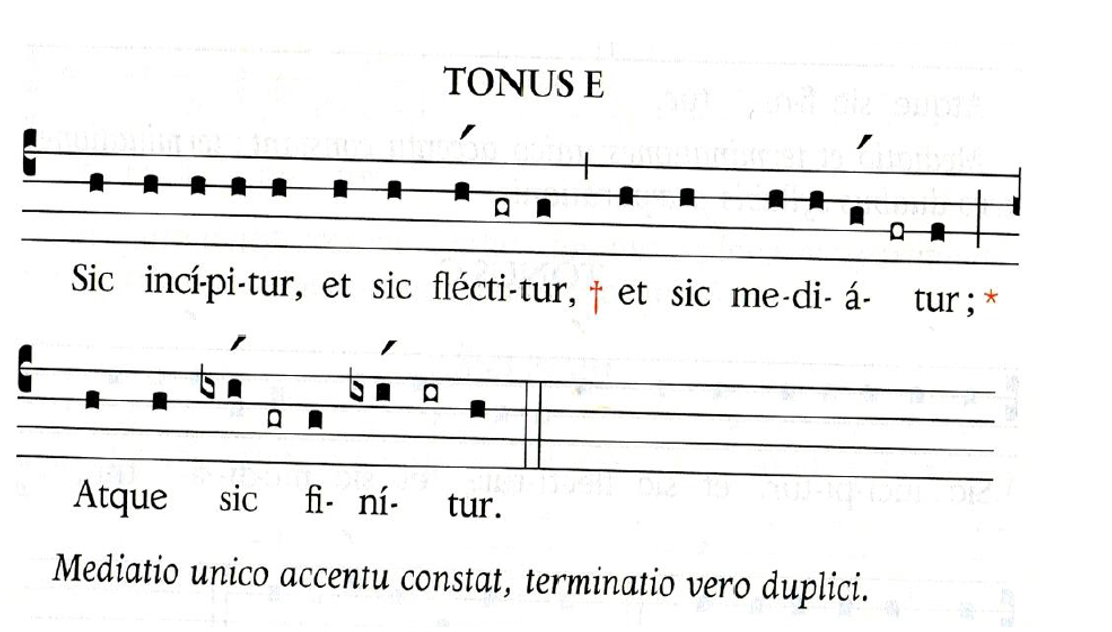
Psalm Tone "E"
-
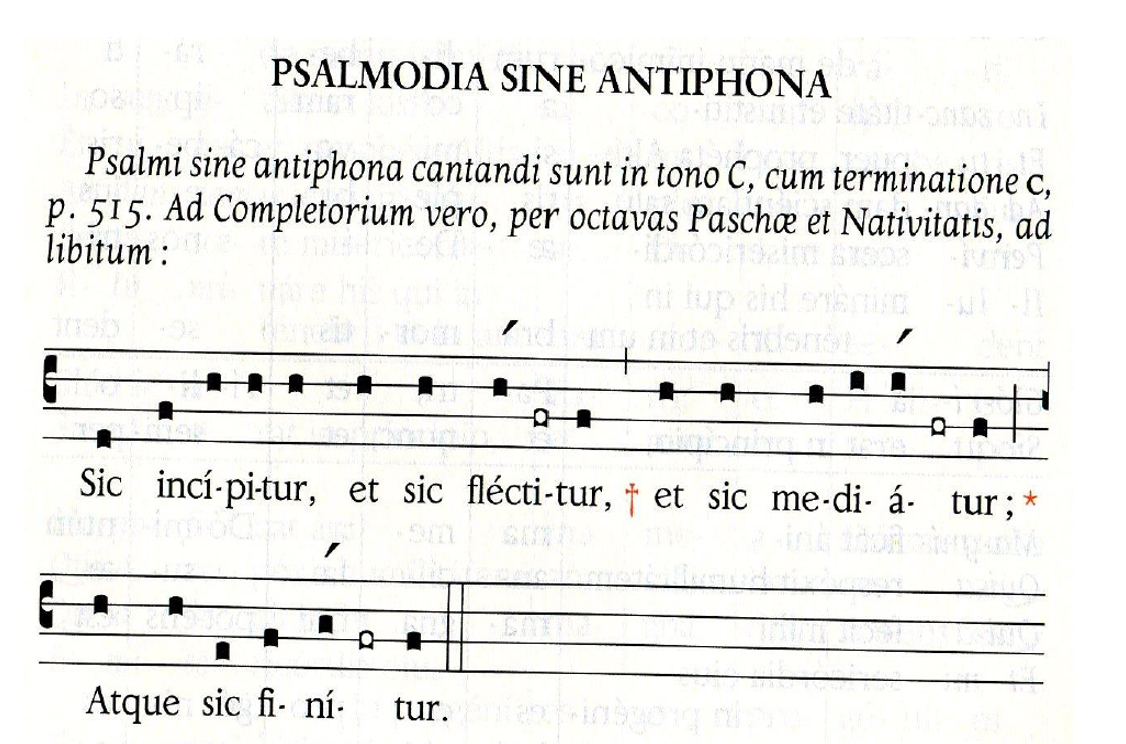
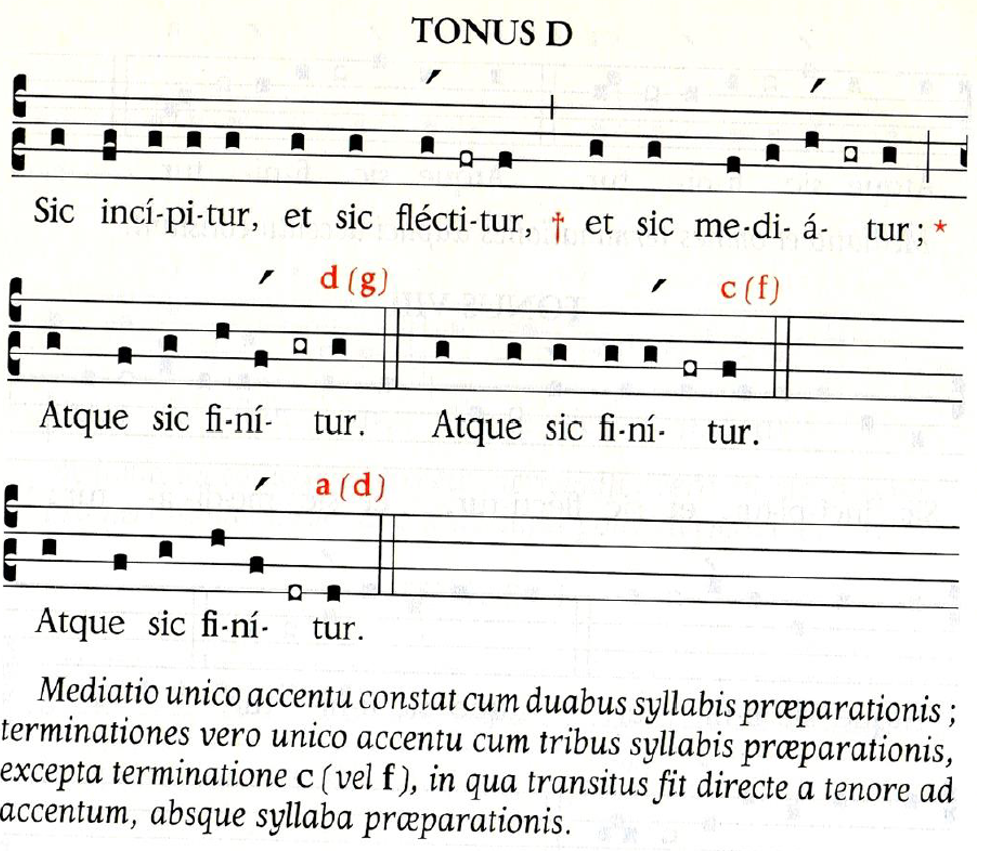
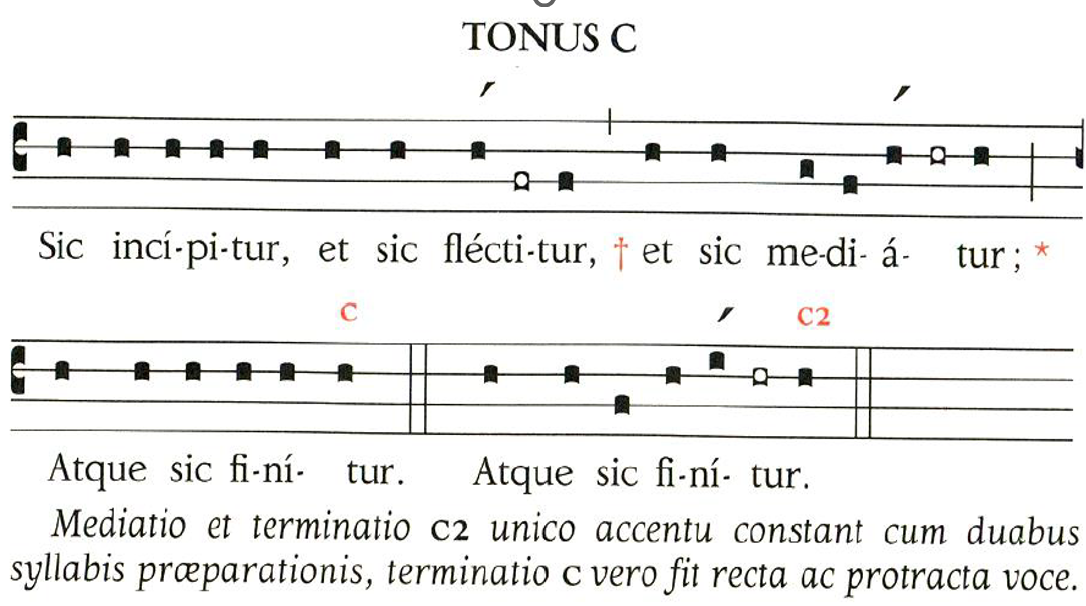
I was recently going through the Antiphonale Romanum, and I noticed some antiphons had Psalm Tone "E" rather than Modes 1-8 or the Tonus Peregrinus as found in the Liber Usualis for the Divine Office. Are there any other psalm tones like this, and where can I find them in an easy-to-access format similar to this https://media.musicasacra.com/pdf/tones.pdf
-
In addition to Tonus Peregrinus these other 4 make up a group of Tones called "Ancient Tones" which are the very first tones the monks used according to scholarly work done. I normally discourage people from getting their psalm tones from the Usualis as it has a lot of mistakes in it even with the 1-8 particularly in its notation of Tone 2 and Tone 3. The Vesperale or Antiphonale Romanum or Monasticum are better sources.
Tone C falls in the same Tone Family as Tone 8
Peregrinus--Tone I
Tone E and D- Tone IV/II
Sine Antiphona- Tone V
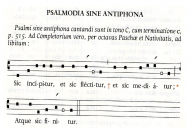 1126 x 744 - 1006K
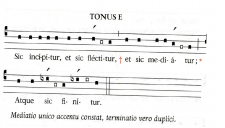 1112 x 632 - 389K
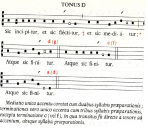 992 x 860 - 836K
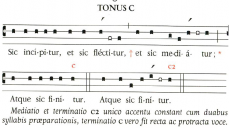 1086 x 606 - 455K
-
I would not call them mistakes per se. They were deliberate choices based on one view of the tradition.
-
@MatthewRoth when I was living in Italy studying Gregorian in the Solesmes tradition, they basically taught us that at that time this was the most definitive thing they knew of based on their research, later, the research showed errors in what was transcribed previously which is why they are now considered "mistakes" but anyone can feel free to use them if they want, typically I do discourage it though.
-
these other 4 make up a group of Tones called "Ancient Tones" which are the very first tones the monks used according to scholarly work done
Given you have studied this stuff, would you be able to provide direct evidence for this claim? Like a reference to a manuscript where the ancient tones are actually notated and paired with antiphons?
I thought these were rather modern speculative constructions based on observation of ancient antiphons sticking out of the boxes of the eight mode system (as being built around a single characteristic tone rather than the usual tenor-finalis pair). -
@igneus in theory I have files somewhere... if they did not get corrupted on my broken USB. I will have to take a look and see if they are among the unfortunate amount of files I lost over the summer after a sister accidently hit my USB walking pass the computer. If not I could also contact one of my professors and see what kind of things he could send me. I do believe also there is a book published by Solesmes on the topic, but the title is escaping me. Stay tuned.
-
I mean, unless you get more specific, this is just a bit of a stretch. Pothier kept Do, but what about the monastic tone on Si (that Mocquereau would have restored) is different from the Roman that warrants this claim? What about the new tone is different?
The classifications change but it’s not like they completely overhauled the system. However: the naming conventions are hamfisted and unusuable, and the idea that the Vatican Edition tones should be discarded is a bit rich given the criticisms of the Vatican Edition made at the time that it was promulgated.Thanked by 1tomjaw -
@MatthewRoth I dont know what to tell you. I can only tell you what I was taught..this was over 15 years ago. I will see if I can contact my professor who would be able to articulate it far better than I can, though I dont expect much of an answer until at least Christmas.
Personally the one I have the greatest difficulty believing is tone 2 which in the way it is noted in the usualis makes singing very sausage- choppy sounding, whereas the vesperale notation which doubles makes it much more natural. One would think that this would be more natural for monks to sing but that it just a theory obviously.



Welcome to the MusicaSacra Forum!
To participate in the discussions on Catholic church music, sign in or register as a forum member, The forum is a project of the Church Music Association of America.
Categories
- All Discussions21,924
- General Music Discussion8,583
- Job Openings308
- Management of Music Programs863
- Choral Matters539
- Church Documents and Rubrics540
- CMAA Notes307
- Events766
- For Newcomers: Read First26
- Sacred Polyphony568
- Hymnody901
- Gregorian Chant: General2,754
- ↳ Graduale Romanum and Liber Usualis372
- ↳ Graduale Simplex61
- ↳ Semiology66
- Vernacular Plainsong708
- Anglican Use and Anglican Chant73
- Organ, Other Instruments and Repertoire452
- New Composition/Works in Progress1,344
- Recordings238
- Music for Hispanic Ministry164
- Music Education: Children217
- Music Education: General225
- News Items248
- Positions Wanted3
- General Discussion: Catholicism742
- Amusements186
- General Discussion1,050
- Opinions119