
Organ Registration Cheat Sheets
-
Asking both for myself and for a friend:
Does anyone know of good quick reference sheets for organ registration guidelines that could easily be printed out and put in a three ring binder? Particularly I think a summery of historical registrations would be a nifty reference to keep with my music. I had starting doing research and putting one together myself, but thought I should also check in case someone much more knowledgeable than me has already done this. I know that long-term this sort of info should just be memorized, but I find charts and such to be handy.
Maybe something like this could be useful for us amateurs? I know Noel Jones offers a system where you send him your organ's stop info and he'll advise on presets, or something like that, but I'm thinking of references for those who want to be a little more autonomous, but are lacking in education.Thanked by 1LauraKaz -
For French classical organ music, some editions contain prefaces which outline the typical registrations. The application is somewhat limited, and the descriptions are usually in French, but those are the closest things to a reference sheet for historical registrations I can think of.Thanked by 1OMagnumMysterium
-
Are you asking about registration for organ solos, improvs during the liturgy, accompaniment for soloists, choirs and/or congregation, or all of the above?Thanked by 1OMagnumMysterium
-
All of the above (although I guess I don't foresee accompanying soloists). Just quick summeries really, bearing in mind that every organ is different and experimentation can be good, but it's also nice to have a basis to start from.
I imagine that once you have an idea of registration for organ solos from various periods, you would draw on that for (organ solo) improvs. I'd be interested to hear otherwise though.
I had gotten a lot of good info from this video: https://youtu.be/GUSa89JuRHI?si=g15LSLDA66aqNESb
I just thought I'd check for additional wisdom here. -
this will help me...
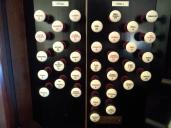
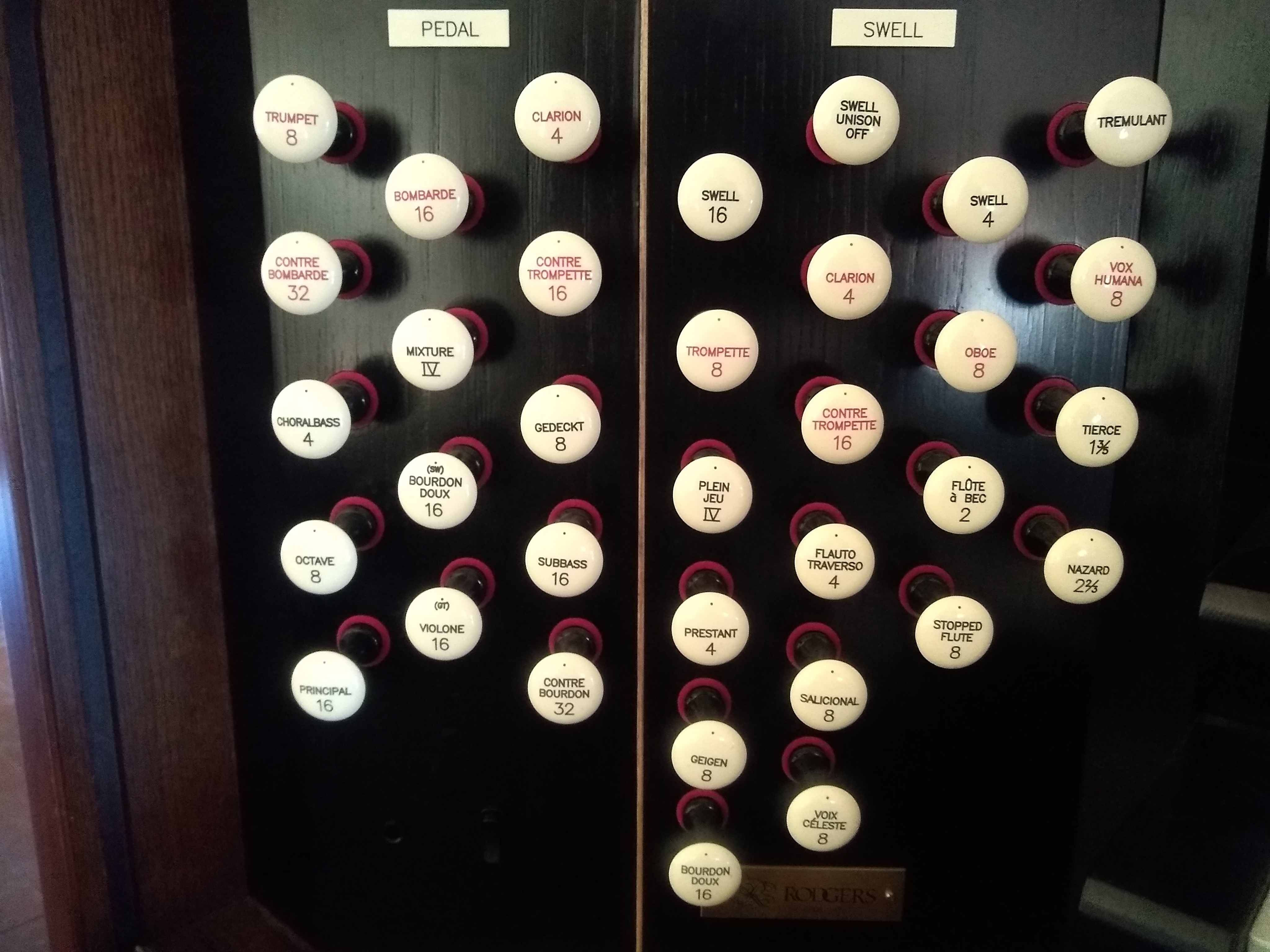
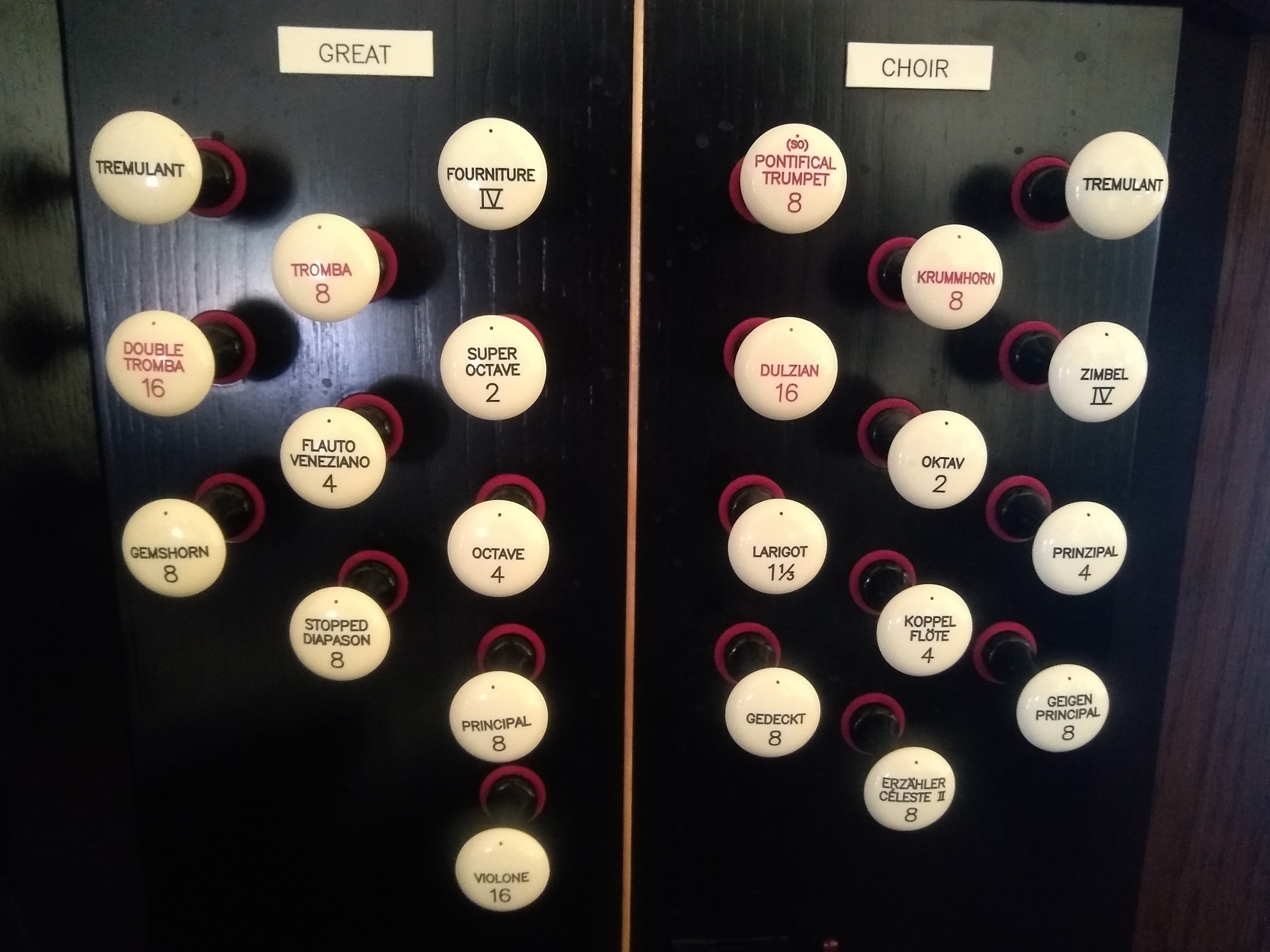
can you send your stop list?
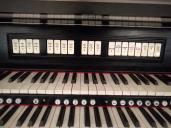
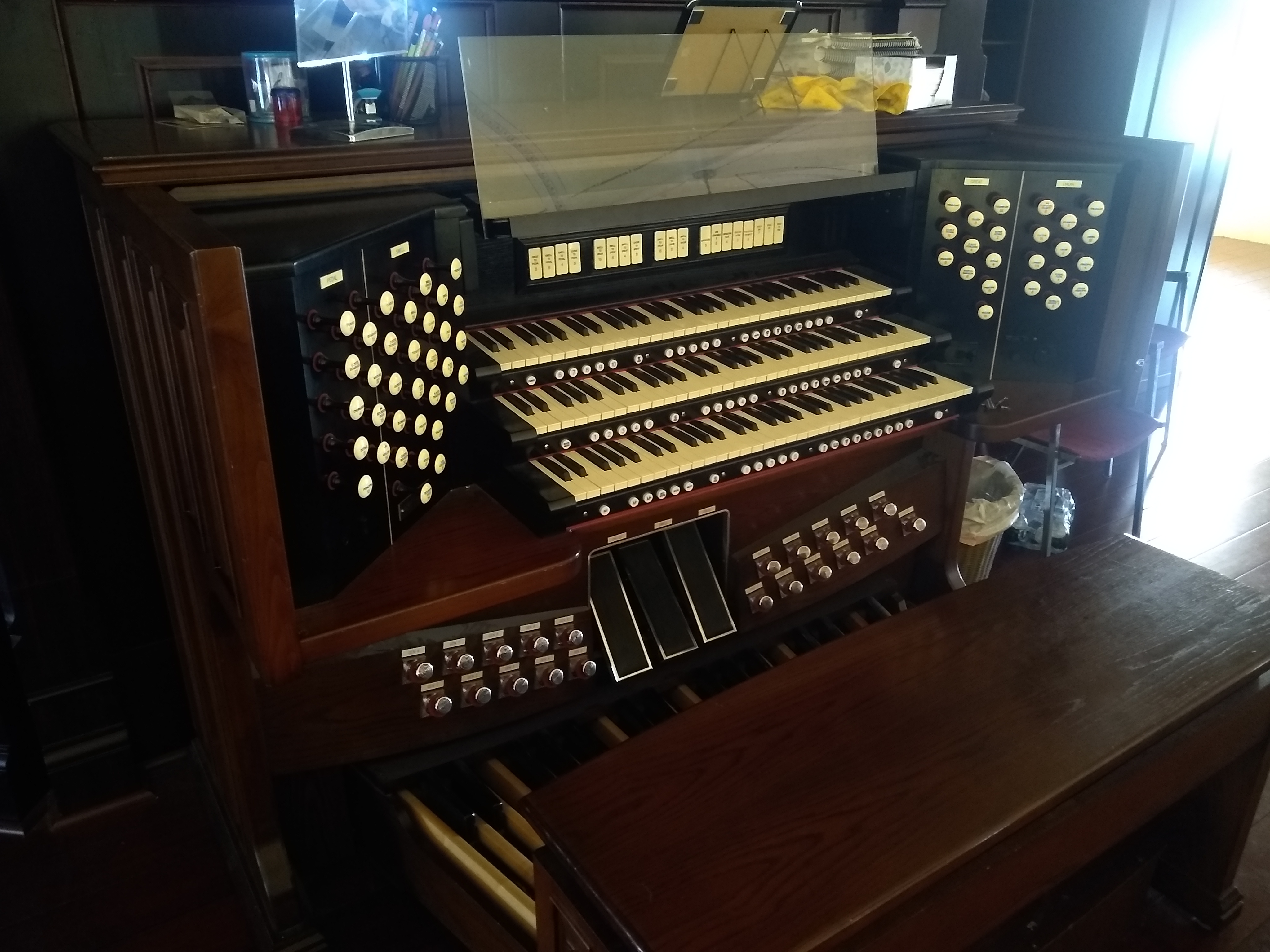
can you send a picture of your console?
can you send a picture of your church acoustic? (sanctuary, nave, gallery, ceiling)Thanked by 1OMagnumMysterium -
The problem with suggested registrations is that no two pipe organs often sound alike. You have to learn the building's acoustics and what ranks actually work in your building. If you know an experienced local organist ask him to listen and make recommendations.Thanked by 1OMagnumMysterium
-
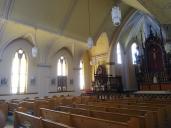
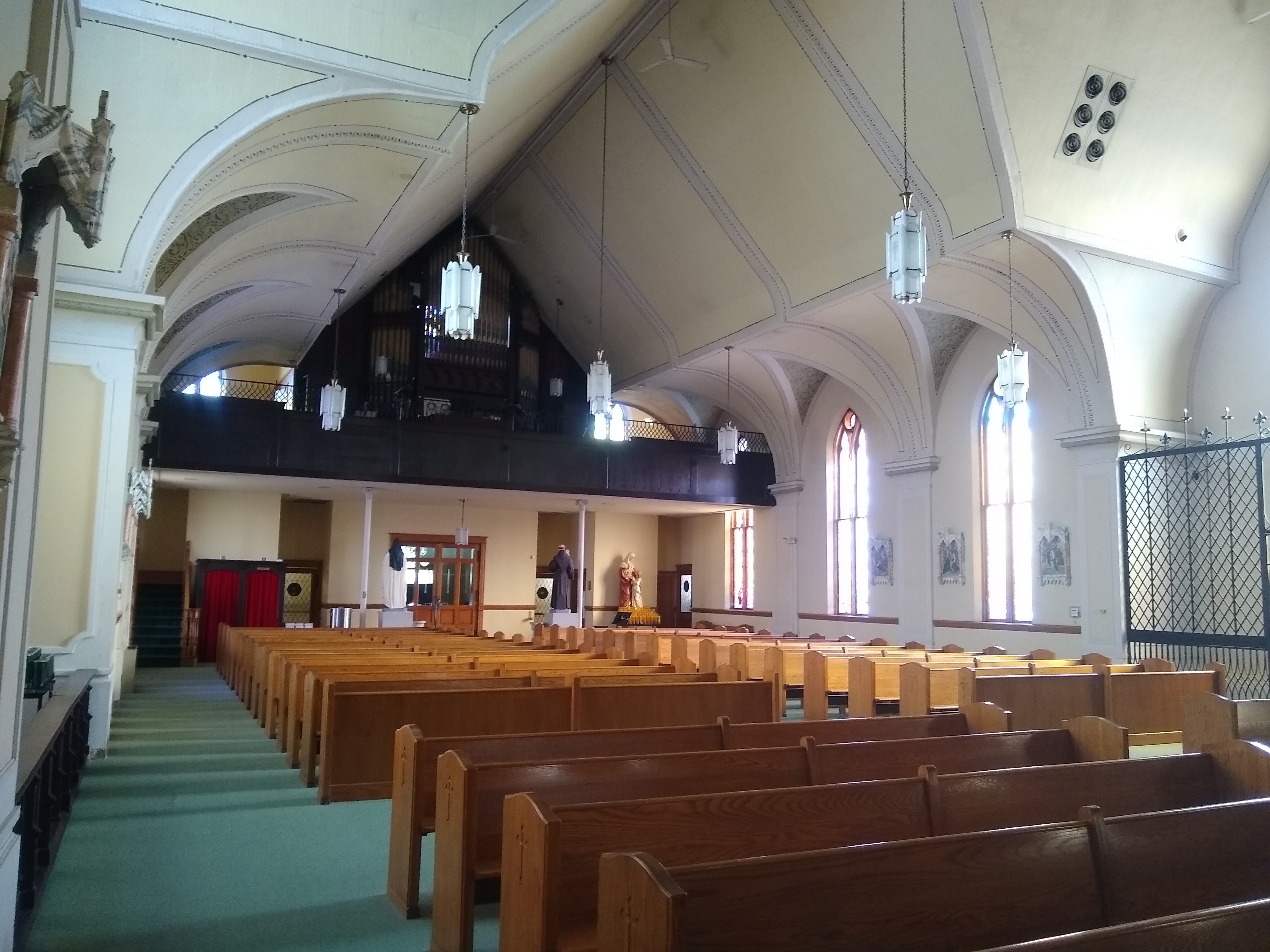
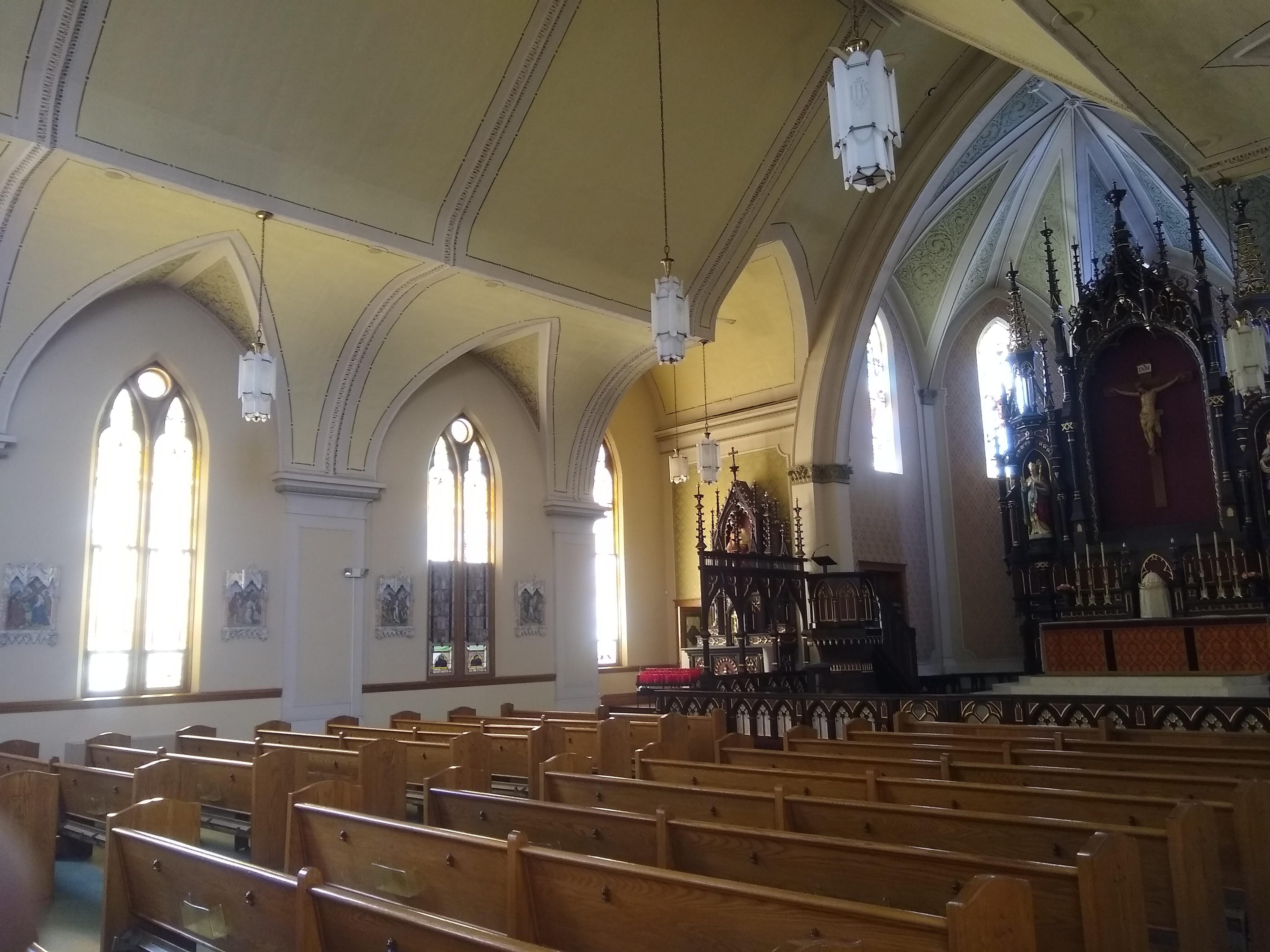
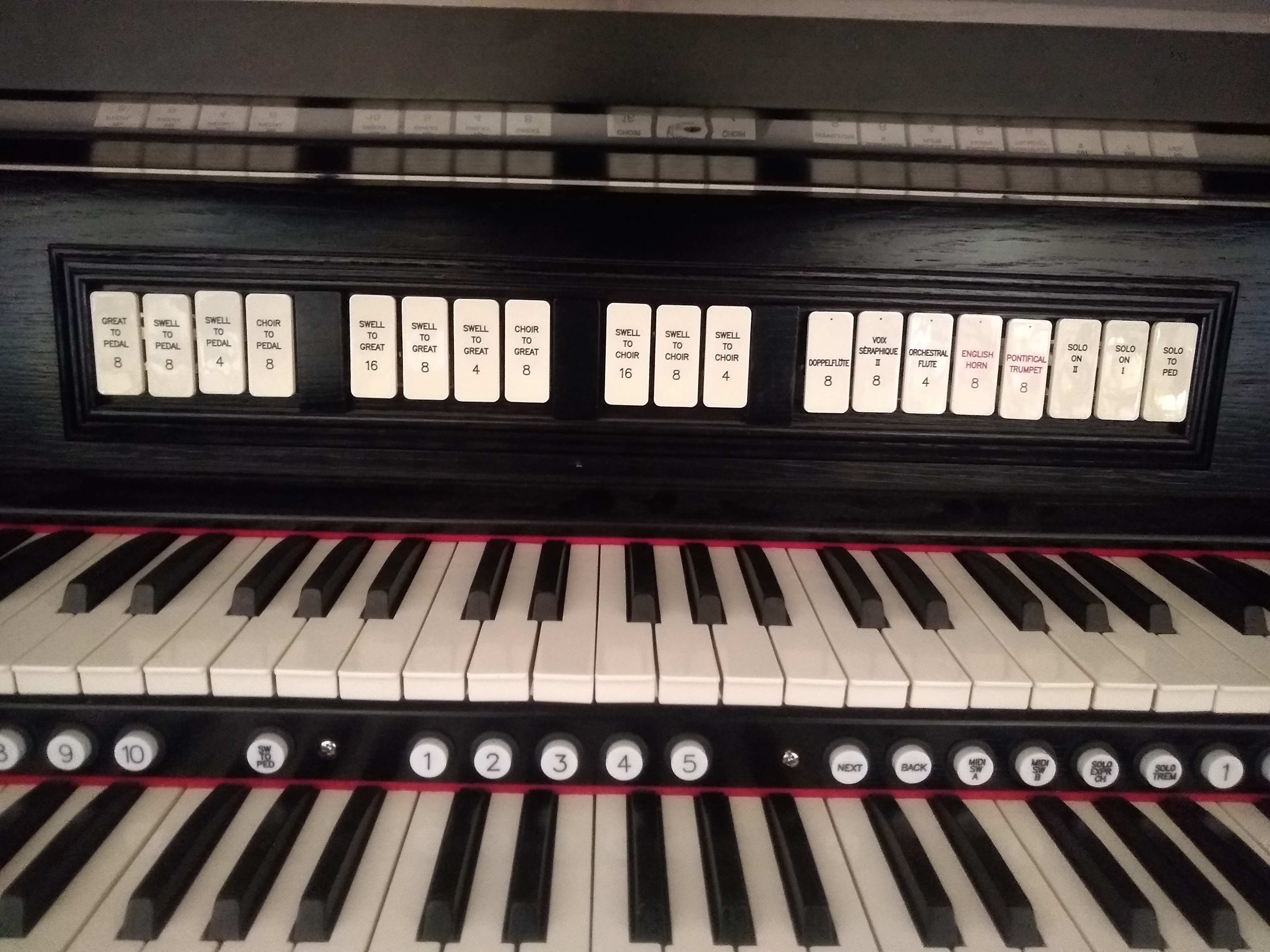
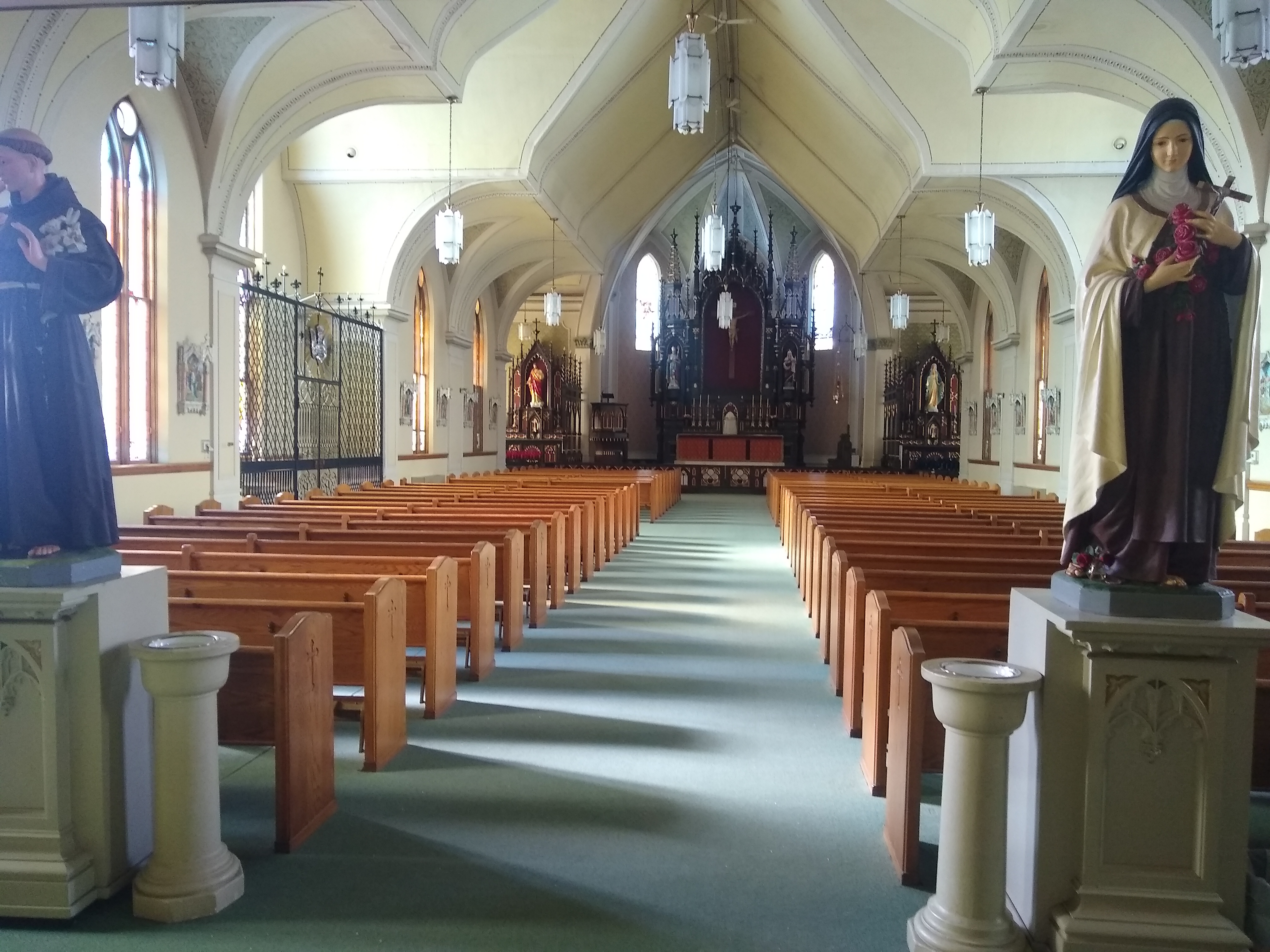
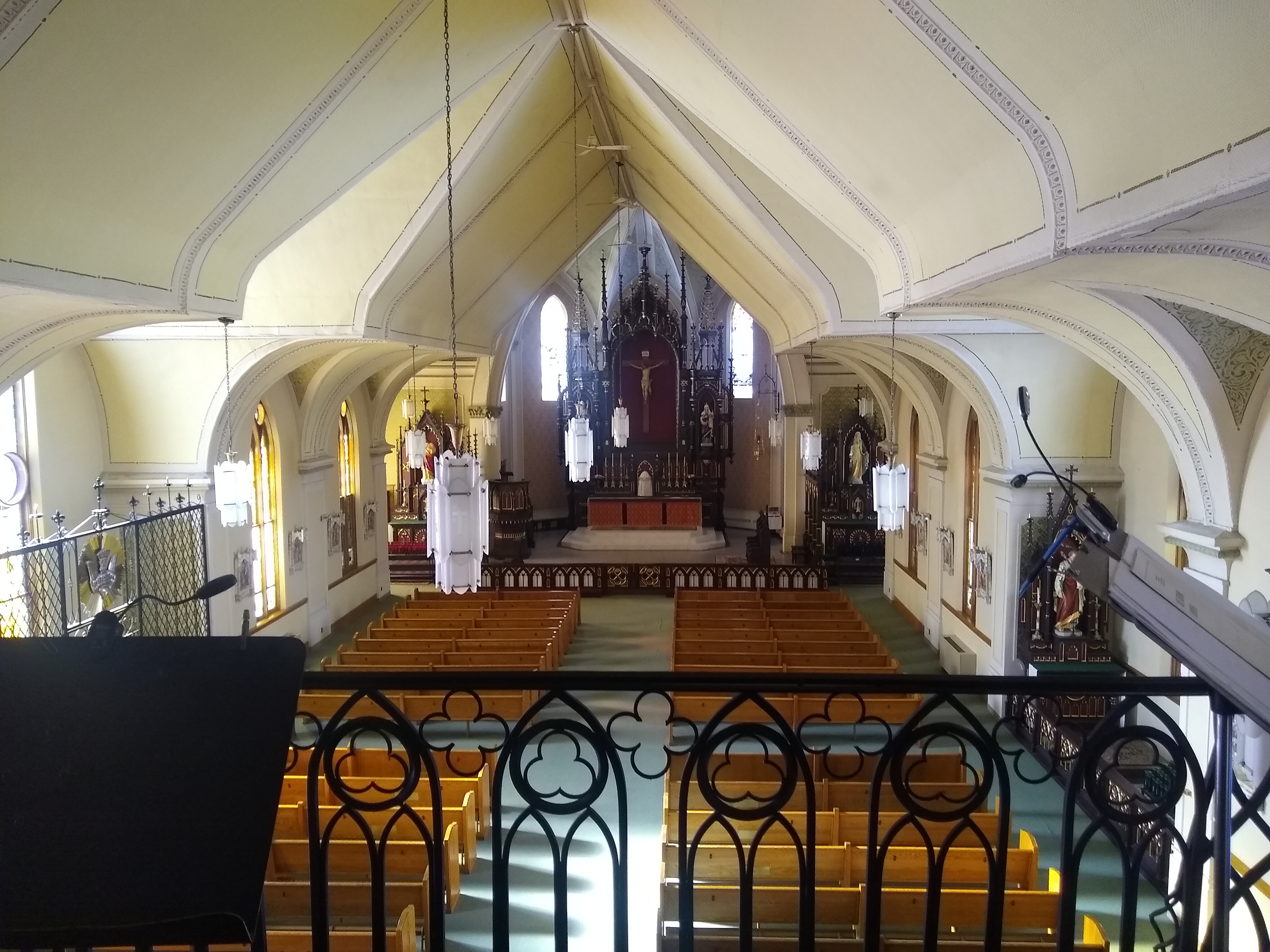
Charles, that makes sense. Francis, I'm really not looking for advice specific to the particular organ we have now as much as general principles that I should bear in mind when playing any organ, real or fake. Nevertheless, here's the stop list and pictures; I'm happy to hear your musings, even if it's not the sort of "cheat sheet" I originally had in mind.
I was thinking of things along the lines of "strings weren't part of an organ until more recently, so if you're seeking to replicate historical registration, strings would be more appropriate for French Romantic than for Baroque music" (I think that was something I found in my research). Not to say that I'd follow these as an absolute rule, but it's good to know the reason for rules (guidelines, really) before breaking them.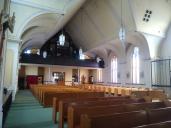 4096 x 3072 - 3M
 4096 x 3072 - 3M
 4096 x 3072 - 3M
 4096 x 3072 - 3M
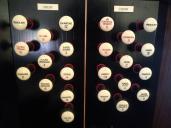 4096 x 3072 - 3M
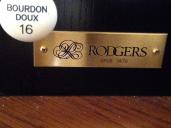 4096 x 3072 - 3M
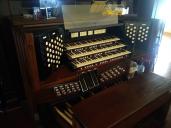 4096 x 3072 - 2M
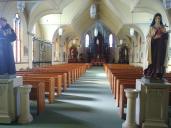 4096 x 3072 - 3M
 4096 x 3072 - 3M
 44K
44K -
Part of learning registration is by looking at and playing the repertory. Each school of organ music has its registrational concerns. Also, looking at organs built in each time will tell you about the stops, their usage and application. Put simply, the French and the English tell you what stops to use and the Germans not so much. That is a little bit overstated but it contains truth. Spend time with the repertory. There are no shortcuts.
-
Corliss Arnold’s Organ Literature is getting dated, but is still a good top-level overview of rep and organ building. Maybe 450 pages if I remember correctly.
-
Its not rocket science.
Certain ranks go together, even if their voicing is different from organ to organ. Once I see a stoplist, i can recommend Generals for solos, congregational support, chant accomp. You can then try them and see if they work.Thanked by 1OMagnumMysterium -
C. H. Trevor's 'Oxford Organ Method' [Oxford University Press, 1971] has practical suggested registrations that can be applied to a variety of organs, whether Baroque, or Romanic.
-
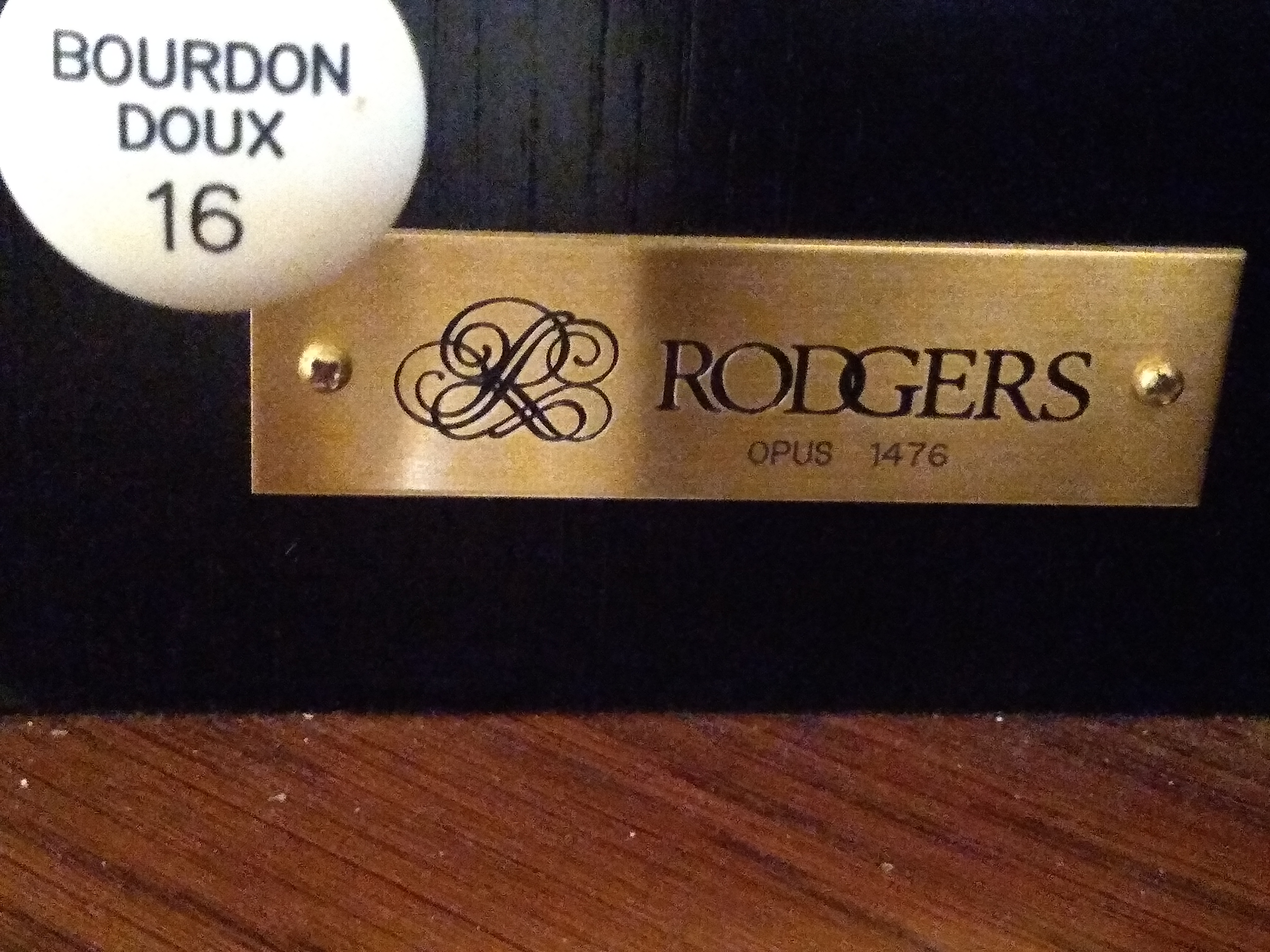
Ok… its a rodgers… you can play all the repertoire on there… some of them have the ability to change out the entire organ from baroque to romantic to american, etc. Baroque works well for counterpoint (eg. German school), romantic (schools that favors orchestral)… yes, similar to what kevinf is saying. Is your acoustic dead? Is that green carpet? If so, that hinders reverberation on the organ and the choir. You probably have synthetic reverb which can help on the organ somewhat, but can be weird when the choir is dead sounding for lack of a good acoustic.
Principals and flutes should be stacked. Strings can be added to them but it can also make it muddy. I usually use strings separately, or stacked on an 8’ principal for more foundation.
I am very careful with digital reeds as they can be very harsh. Use with caution.
Of course the sound system determines a lot. If voiced improperly, not much can help. Newer digitals have individual rank and even individual note voicing parameters.
If you can, its a good idea as Charles says to get a local organist to sit down with you and put together a strategy and even set the Generals.
Thanks for the pics! Let us know how it all resolves.Thanked by 1OMagnumMysterium -
Thanks. I've just found a very experienced local organist who has agreed to work with me, so yes, that should help. Yes, it is green carpet, but it will be pulled out and replaced with a new hard floor soon, hopefully by the end of the year. It's also been brought up that after the floor is replaced, we will want to have the organ re-voiced (or whatever the correct term was) to properly fill the new acoustical space. Right now we get very good sound out of it, despite the carpet and the fact that it's not a real organ.
-
So once you pull the carpet the organ will probably be louder without re-voicing... that is just a guess... but you are not going to be soaking up sound any more. That makes us happy!
Let us know how the transition of space comes along and how things work out with the local talent...
In JMJ
FK -
If you look up some of the resources created by Don Cook (past Educational Councilor for the AGO), you might find some helpful pdfs.
I googled "BYU organ registration," and quite a few of his documents came up.
Some might disagree with a few of his guidelines, but it can at least be a place to start.Thanked by 1OMagnumMysterium -
So once you pull the carpet the organ will probably be louder without re-voicing.
Based on my observations with every time they pulled out the carpet or replaced the carpet with some other type of carpet in some place in my parish (ie: our adoration chapel, or hall area), it completely changed the acoustics and not in a good way when it comes to loud noises. It creates significantly more reverberation and sounds just turn into cacophony because there’s no time for it dissipate.Thanked by 1OMagnumMysterium



Welcome to the MusicaSacra Forum!
To participate in the discussions on Catholic church music, sign in or register as a forum member, The forum is a project of the Church Music Association of America.
Categories
- All Discussions21,854
- General Music Discussion8,553
- Job Openings293
- Management of Music Programs862
- Choral Matters539
- Church Documents and Rubrics540
- CMAA Notes307
- Events763
- For Newcomers: Read First26
- Sacred Polyphony567
- Hymnody898
- Gregorian Chant: General2,749
- ↳ Graduale Romanum and Liber Usualis372
- ↳ Graduale Simplex61
- ↳ Semiology65
- Vernacular Plainsong704
- Anglican Use and Anglican Chant73
- Organ, Other Instruments and Repertoire452
- New Composition/Works in Progress1,342
- Recordings238
- Music for Hispanic Ministry163
- Music Education: Children217
- Music Education: General223
- News Items247
- Positions Wanted3
- General Discussion: Catholicism742
- Amusements185
- General Discussion1,049
- Opinions119