
Liturgical Law, Moral Theology and Music (1962 MR)
-
I was recently looking at Jone's 'Moral Theology' and also recalling relatively recent discussions about what is to occur in places where there is no real possibility of having a highly trained choir for the Sung Mass.
I note that (at 69), Jone contends that impossibility excuses from the obligation to observe any law. This in turn made me wonder about how, historically, in those places where it was not possible to have the solemn liturgy in all its splendour, various accommodations were made. Of course, Hayburn provides us with a useful list of authoritative interpretations of liturgical law on specific points, but these seem to deal more with long-standing choices of custom, rather than what is actually impossible. In that book, I notice Rome requiring texts be sung 'recto tono' as an absolute and bare minimum, creating a legislative requirement that it was foreseeable would not be impossible anywhere.
Has anyone seen any published sources on 'liturgy and impossibility'? I am curious to understand better how moral theology interacted with liturgical law over the centuries. -
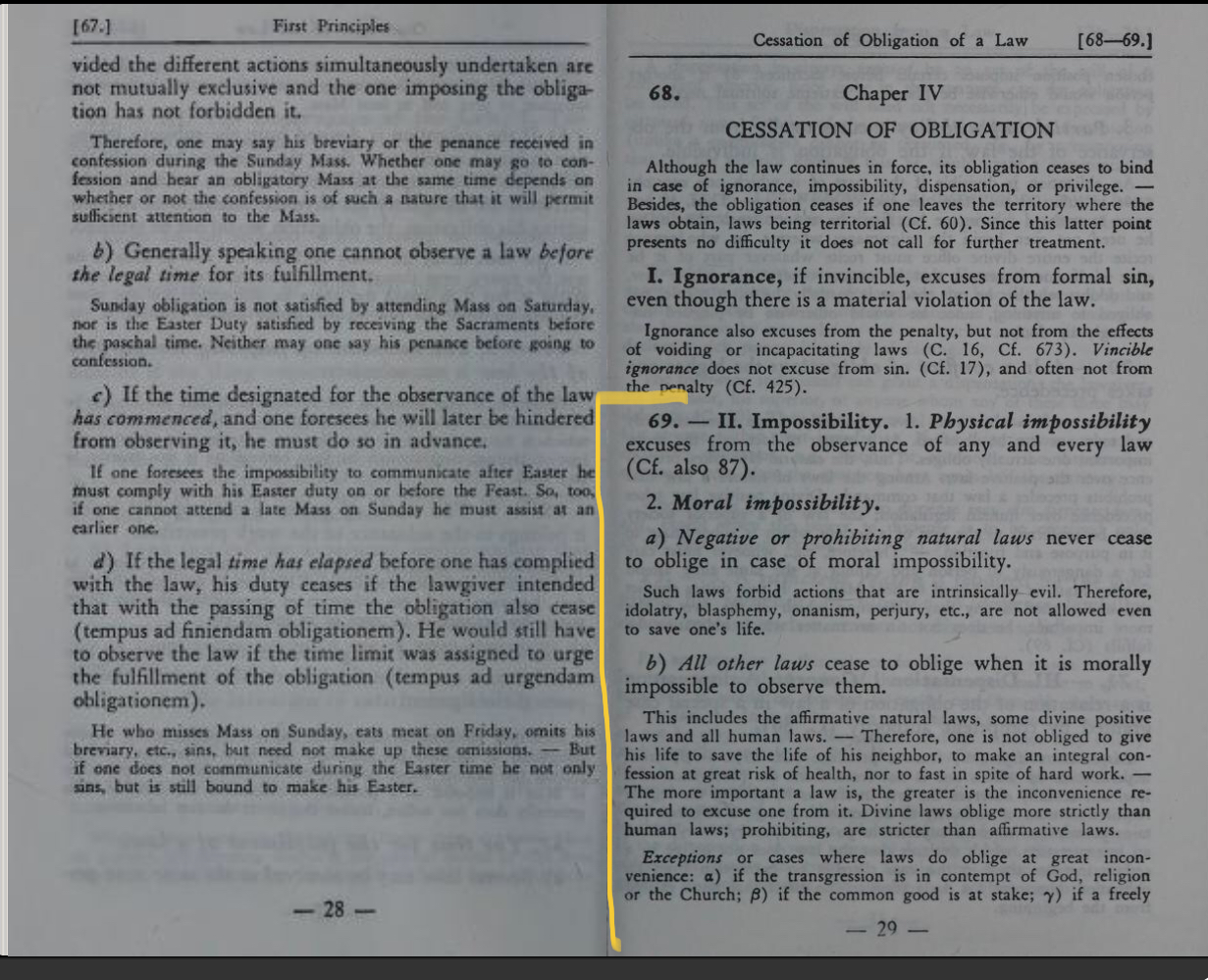
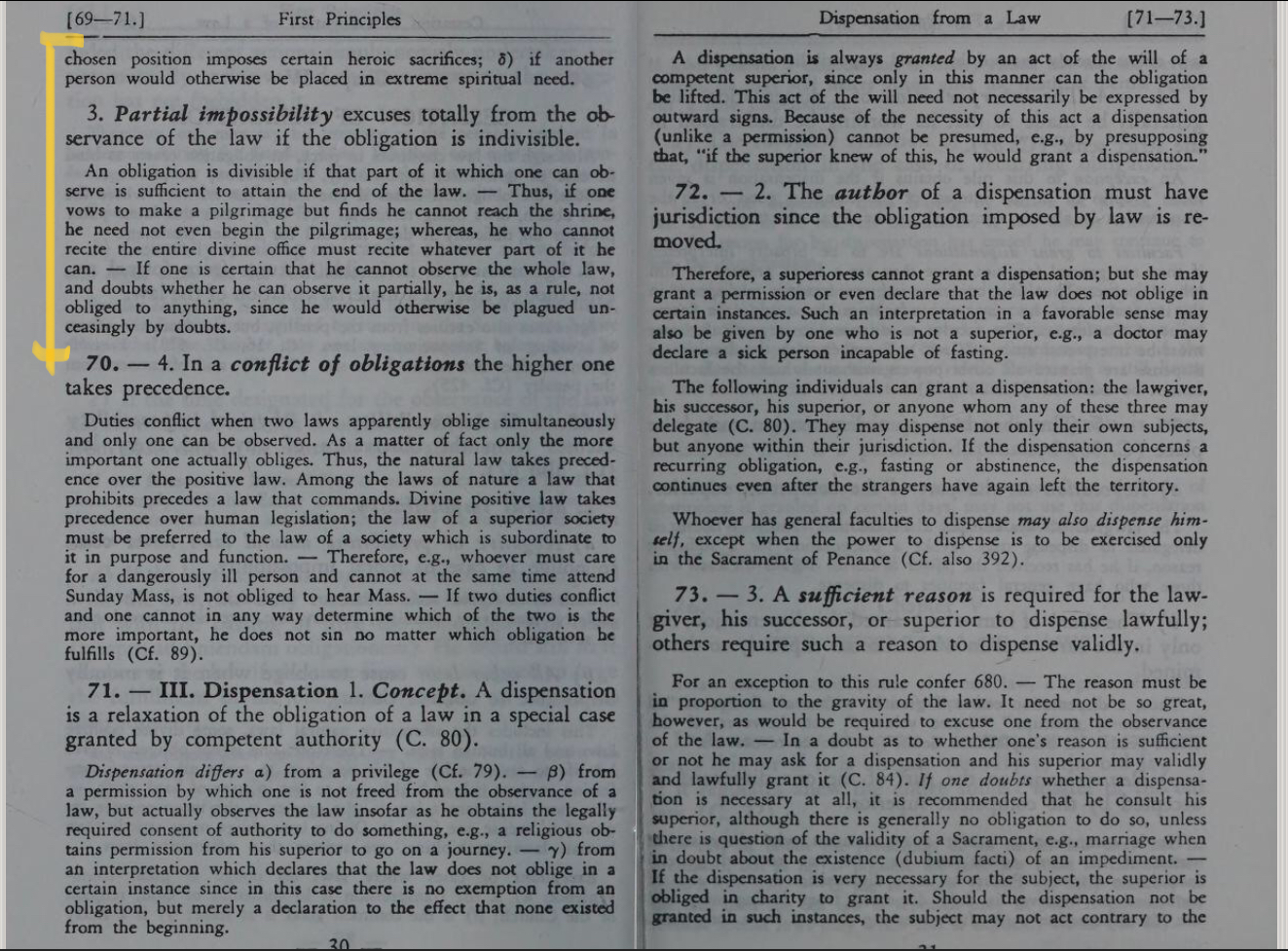
Do you know what edition of Jone’s Moral Theology Manual you’re referencing? I have two different editions (one from the 30s and one from the 60s) and they differ slightly on certain things.I note that (at 69), Jone contends that impossibility excuses from the obligation to observe any law.
For the sake of clarity, accuracy and to avoid the possibility of scandal to anyone who is reading this to be mislead to believe that any and all impossibilities excuses the observance of all laws, he says, “Physical impossibility excuses from the observance of any and every law.” There’s still the matter of moral impossibility and partial impossibility, which do not excuse the obligation to observe any law. There are distinctions.
The relevant pages are attached for the sake of accuracy and clarity. I recommend treading lightly when it comes to reading this manual. It can lead you astray from a tender conscience and into the land of scruples and a scrupulous conscience.
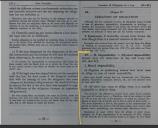 1231 x 999 - 734K
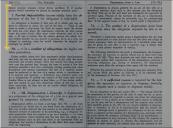 1323 x 977 - 983KThanked by 1Liam
 -
Thanks for the clarification. I have the TAN books reprint here.
I’d suggest physical impossibility would extend to a sacred minister or singer being incapable of singing the melodies as prescribed. I look at the Graduals and wonder if the ranges of some are physically impossible. I presume that the elderly priest who gets halfway through his sung Mass and finds he cannot sing is excused from doing so, and merely reads his prescribed texts as best he can, for instance.
My interest here is in how the interactions between liturgical law and moral theology played out before the Council.
Does a lack of education and training lead to a physical or moral impossibility? -
Does a lack of education and training lead to a physical or moral impossibility?
What is the specific law you’re referring to? Also, I would look at partial impossibility. What you’re asking too vague and lacking details. Can you get the education? How much time do you have? Is it Thursday night and Father decides he wants a sung high Mass on Friday with the full propers and there’s only two schola members available and they’re newbies? Details matter. -
SponsaChristi, the questions you're asking are precisely why I'm asking for sources about this from the period before the Second Vatican Council. I have set out a few thoughts above, but I am interested to know how priests (and others) approached these questions across a range of contexts.
-
SponsaChristi, the questions you're asking are precisely why I'm asking for sources about this from the period before the Second Vatican Council. I have set out a few thoughts above, but I am interested to know how priests (and others) approached these questions across a range of contexts.
Not everything is going to be found in books. It comes down to what does the law actually require and moral reasoning. It’s not as complicated as people make it out to be, but hypothetical contexts are a challenge because the details matter.
Thanked by 1Liam -
Not everything is going to be found in books. It comes down to what does the law actually require and moral reasoning. It’s not as complicated as people make it out to be, but hypothetical contexts are a challenge because the details matter.
Yes, quite. That's why I'm asking for sources, rather than books. This kind of information is more likely to be found in newspaper reports, letters, memoirs (etc) than in published books.
You're also absolutely right as to the importance of context. I would like to understand better how liturgical usages (and especially their music) were adapted depending on the needs and abilities of places. The notion, for instance, that missionary contexts had someone running around with a copy of Fortescue (or its foreign language equivalent) pointing out all the liturgical shortcomings as though they were some kind of ecclesiastical boundary umpire is in equal measures implausible and amusing. -
It's important to understand that the culture of church law arose in the context of the recovery of Roman civil law texts and traditions in the High Middle Ages; Anglospheric legal culture borrowed from it but developed in a different direction - less comfortable with broad rules being subject to exceptions, instead preferring more particular rules with narrower exceptions. People formed in an Anglospheric legal culture can bring the frame of assumptions of their culture into their understanding of church law in a way that doesn't mix well.Thanked by 1Paul F. Ford
-
Good and helpful point, Liam… but where does that leave Jesuit casuistry?
Welcome to the MusicaSacra Forum!
To participate in the discussions on Catholic church music, sign in or register as a forum member, The forum is a project of the Church Music Association of America.
Categories
- All Discussions21,833
- General Music Discussion8,542
- Job Openings292
- Management of Music Programs862
- Choral Matters539
- Church Documents and Rubrics540
- CMAA Notes307
- Events759
- For Newcomers: Read First26
- Sacred Polyphony566
- Hymnody898
- Gregorian Chant: General2,749
- ↳ Graduale Romanum and Liber Usualis372
- ↳ Graduale Simplex61
- ↳ Semiology65
- Vernacular Plainsong704
- Anglican Use and Anglican Chant73
- Organ, Other Instruments and Repertoire451
- New Composition/Works in Progress1,340
- Recordings238
- Music for Hispanic Ministry163
- Music Education: Children217
- Music Education: General223
- News Items247
- Positions Wanted3
- General Discussion: Catholicism742
- Amusements185
- General Discussion1,048
- Opinions119